

In January 2019, DuPont Nutrition and Health and Health Focus International released a report on the trend of plant-based diets in the United States, interviewing more than 1,000 American consumers about their eating habits. The results showed that 52% of U.S. consumers prefer plant-based foods and beverages, and almost 60% of respondents indicated that the shift to a plant-based diet would be permanent;
Consumers that chose whey as a main ingredient in the past are increasingly turning to plant-based sources, such as pea sources or rice sources.

Soybean is known as the best source of botanical protein and also the main food source for vegetarians to supplement protein. Moreover, the rich soybeans protein can meet the functional needs of the human body, there are also isoflavones, amino acids, and other substances that are beneficial to human health. In terms of amino acid composition, soybean protein is the only plant protein reported to contain 9 essential amino acids required by the human body and it is recognized as a complete protein.
Soybean drinks are crowned as " green milk" by nutritionists. Soy protein Intake can dramatically lower cholesterol. In terms of absorption, Soy protein drinks also exceed milk. Milk tends to form large and hard clusters after entering the stomach, while soy milk forms small and soft flakes making it easier to digest and absorb.
The rising stars of plant protein: peas, hemp, and quinoa
Among the raw materials of plant-based protein products on the market, pea protein ranks first, followed by rice protein and soybean protein. Without the controversy on soy protein GMO and allergenic sources, pea protein has the upper hand in terms of health and sustainability. In addition, hemp and quinoa proteins can provide a variety of comprehensive amino acids, and will become potential stocks of plant-based proteins.
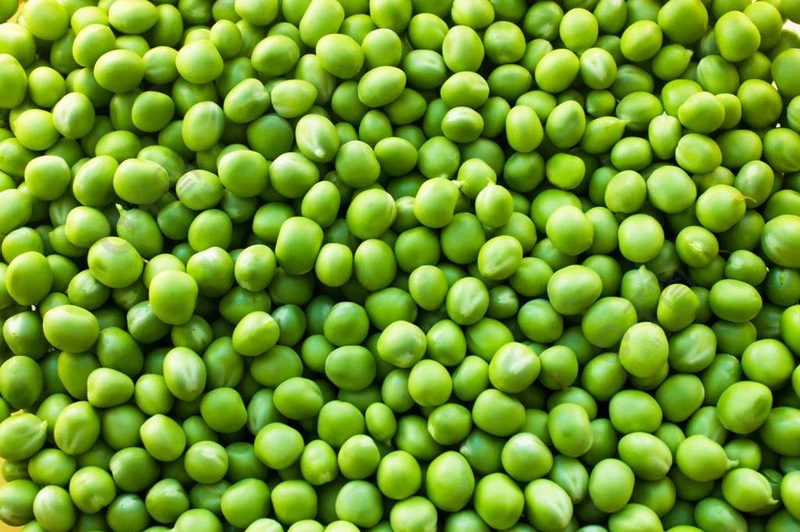
Pea Protein
Pea is the second largest edible bean crop. About 65 countries in the world produce peas. The annual output of peas in China is about 1.6 million tons, accounting for about 9% of the world's total pea production. Pea protein is an important part of pea, its biological value is 48%-64%, the efficacy ratio is 0.6-1.2, and there is less chance to lead to allegation, and has high nutritional value. The proportion of amino acids in pea protein is so balanced.
Except for methionine, the contents of the other seven essential amino acids are close to the recommended model values
Pea protein powder can be added to cereal foods as a nutritional enhancer, such as bread, cakes, noodles, and nutritious rice noodles, and can also be added to Western-style meat products such as ham sausage and red sausage as a meat substitute.
At present, pea protein has a large market and is mainly used in the production of protein powder, solid drinks, energy bars, plant protein drinks, plant meat and other fields.
Hemp protein
Hemp seed is the seed of Moraceae hemp, which has a long history of cultivation in my country. The protein content in hemp seeds is 20% to 25%, which is a high-quality protein source. Hemp protein is rich in a variety of amino acids, including all 8 kinds of amino acids necessary for the human body, and the content is high, reasonable, and balanced, which meets the requirements of "high-quality complete protein". In addition, hemp protein can supply all the edible amino acids needed by the human body, fully meets all the needs of the human body to manufacture the main components of plasma (albumin and globulin), and is essential for maintaining human health.
Hemp protein can be added to some foods with low protein content to improve their nutritional structure. For example, adding an appropriate amount of hemp protein powder to compressed biscuits can obtain hemp seed compressed dry food with reasonable nutritional composition, which can also be applied to liquid products Such as vegetable milk, and vegetable yogurt. Hemp protein can also be combined with other animal and plant proteins to make protein-rich sports food, such as protein energy bars and sports drinks, which are easy to digest and suitable for sports people.

Quinoa Protein
Quinoa contains an average protein of 16% (up to 22%), and it is rich in 8 kinds of amino acids necessary for the human body and histidine necessary for infants.
The quality and content of quinoa protein equal to skimmed milk powder and meat. It is the best choice for vegetarians, and it is also a good substitute for grains such as rice. At the same time, according to assessments by FAO, WHO, the essential amino acid content of quinoa is higher than that of conventional crops such as rice, wheat, and corn, especially lysine, methionine, threonine, and tryptophan, which are relatively lacking in grain protein, all exist in quinoa protein.
Quinoa protein is mainly composed of albumin and globulin (accounting for 44%~77% of the total protein) and relatively low gliadin and glutenin, so quinoa protein has good solubility and is easy to be absorbed and utilized. Due to the effect of disulfide bonds, quinoa protein is well stable, so when quinoa is processed and utilized, quinoa protein can well maintain its original nutritional value.


